Plant-based meat and protein products need color that looks convincing before and after cooking. Beetroot Red is one option FoodRGB lists for plant-based meat, along with other applications such as beverages, snacks, and prepared foods. The challenge is that protein, fat, starch, moisture, and heat can all change how a red shade appears. Developers should therefore test the color in the complete recipe, not only in water. A realistic trial shows whether the shade suits both the raw product and the expected cooked appearance in production.
Beetroot Brings a Broad Red Range
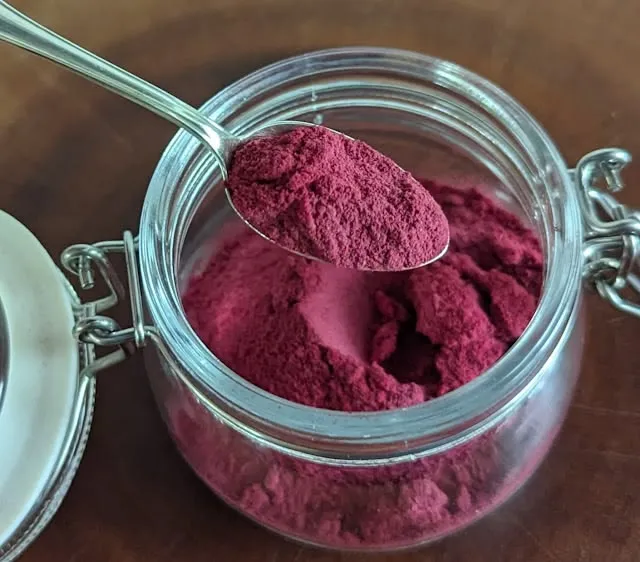
FoodRGB identifies betanin as the main pigment in its beetroot system and lists shades from light pink to deeper red and fuchsia. The product is available in powder, liquid, oil, and custom formulations, with a stated working pH range of about 3.0 to 8.0. That flexibility can be useful in plant-based foods because formulas vary widely. A burger-style product, sausage alternative, and protein filling may need different handling, even when each one is designed to start with a similar red tone before cooking.
Red Radish Offers Another Route
FoodRGB also lists Radish Red for plant-based meat and other savory applications. A red radish powder can provide red-to-fuchsia tones and is water-soluble, with FoodRGB giving a useful pH range of about 3.0 to 8.0. Several powder strengths are listed, including an option with improved heat stability. That gives formulators room to compare concentration and processing performance instead of assuming one strength fits every recipe. The real test is how the color behaves inside the full protein and fat system at scale.
Cooking Changes What the Customer Sees
Color in a plant-based burger or sausage is unusual because the product may need one appearance before cooking and another afterward. Heat can weaken, deepen, or shift a natural red depending on the pigment and surrounding ingredients. FoodRGB notes that standard beetroot extracts are not generally heat stable, while a special beetroot version has improved heat stability. Its Radish Red page similarly distinguishes heat resistance from full heat stability. Developers should reproduce the actual cooking step and compare samples after cooling before deciding which system performs more naturally.
Fat and Protein Can Soften the Shade
Plant proteins, oils, starches, fibers, and seasonings can make the same pigment look different from one formula to another. An opaque base may soften a red that appears bright in a clear test solution, while added oil can change dispersion. This is why color dosage should not be chosen by concentration alone. Small side-by-side trials using the complete formula can show whether the issue is pigment strength, mixing, or the physical format. A modest process change may create a better result than simply adding more color to the batch.
Mixing Order Deserves Attention
When the color enters the process can affect uniformity. A powder added too early may face more heat or mixing than necessary, while a liquid introduced late may be harder to distribute through a thick protein matrix. Developers should copy the commercial sequence during bench and pilot work, including hydration, fat addition, seasoning, shaping and cooking. If streaks or uneven patches appear, changing the addition point or pre-dispersing the color may solve the problem. That approach keeps the formulation controlled without increasing pigment unnecessarily at scale.
Scale-Up Can Expose Variation
A small laboratory mix is easy to watch closely, but commercial equipment introduces larger volumes, longer transfer times, and different shear. Those changes can reveal color variation that was invisible in a bench sample. Pilot runs should contain inspections from several points of the batch, especially before and after forming or boiling. If the shade varies, the team can adjust mixing time, addition order or concentration before the formula is locked. Resolving these details early helps production teams avoid repeated corrections once the product is being made regularly.
Conclusion
Natural red development for plant-based foods is not only about making a raw product look appealing. The color has to fit the protein and fat system, move evenly through processing, and respond acceptably to cooking and storage. Beetroot and red radish both offer useful red-to-fuchsia options, but their performance should be proven in the real formula. Manufacturers can use foodrgb.com to review natural color systems and technical support for plant-based applications. Careful testing from bench work through pilot production gives teams a stronger basis for commercial approval.