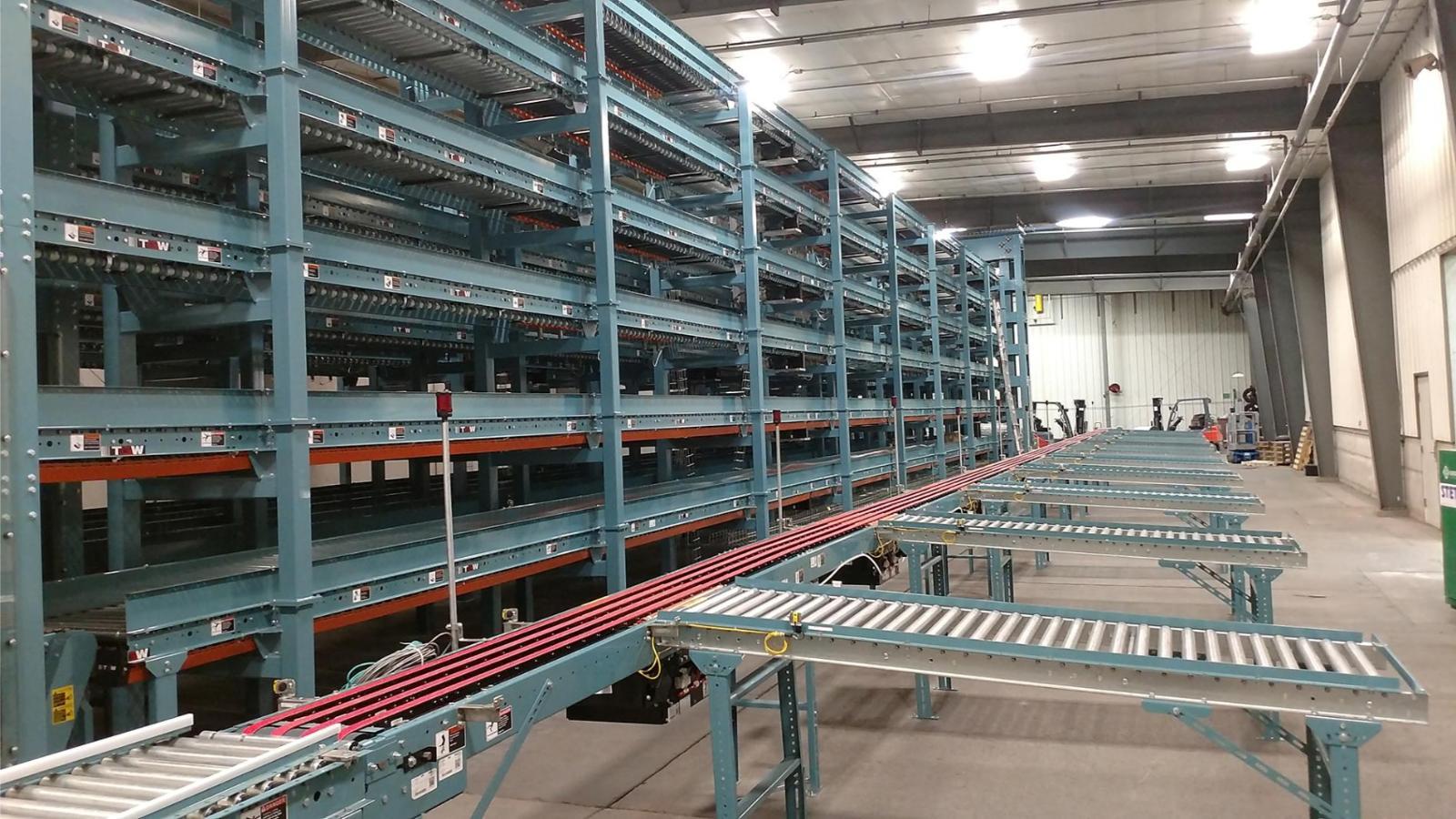

Tucson field work is not always clean or predictable. Machines, wiring, setups, everything slowly drifts from its original condition. That is why on-site checking matters so much here. Inspectors walk through real environments, not perfect lab spaces. They look at behavior, small changes, and wear that builds up quietly. In Tucson, heat and long usage add extra pressure on systems. Over time, this creates hidden weak points. Proper evaluation helps catch those issues early, keeping operations stable, safe, and less stressful for everyone involved in daily work situations across all sites.
Local Evaluation Practices in Tucson
On-site inspection routines in Tucson follow a very grounded style. Teams arrive and study the equipment where it sits, without moving or altering conditions too much. They check how systems respond during normal operation, not ideal testing moments. This helps reveal slow issues that usually go unnoticed. Dust buildup, heat stress, and long run cycles all play a role. Inspectors often rely on observation and simple measurement tools. Nothing feels overly complex, but the attention to detail makes the process strong and dependable across different work environments in real conditions.
Field System Reviews and Safety Checks
Inspection work in this region is shaped by practical demands more than theory. Teams often deal with aging systems, weather impact, and inconsistent maintenance histories. Every visit becomes a mix of checking, listening, and recording small signs of change. Safety is not treated as a single step but as a continuous habit. The goal is to keep systems running without sudden interruptions. Over time, these evaluations build a clearer understanding of performance patterns and help reduce risks that might otherwise grow unnoticed in daily operations Field Evaluation Services Tucson environment.
Operational Inspection and Real Time Assessment
Real-time assessment in Tucson often focuses on how systems behave under pressure. Instead of static reports, inspectors look at live performance and changing patterns. This helps identify weak spots that only appear during active use. Equipment may seem fine at rest, but show strain when running continuously. Observations are recorded carefully, even when changes are small. Over time, this approach builds a clearer picture of reliability and system health across different environments and usage conditions. Tucson Field Evaluations support better long-term system stability in field conditions and daily operations.
Compliance Driven Safety and Monitoring Workflows
Compliance work in inspection environments is often about consistency more than complexity. Rules guide how systems are checked and how results are recorded. Inspectors follow structured steps to make sure nothing important is skipped. Even when tasks feel repetitive, they create a reliable safety net. Over time, this structured approach reduces unexpected failures. It also improves awareness of how systems behave under long-term use. Every report adds another layer of understanding, helping teams maintain safer and more stable operations in demanding conditions overall across different industrial settings today.
Conclusion
Field evaluation and compliance inspection work keep systems steady in places like Tucson. It is not about one big fix but many small, careful checks over time. Each visit adds more clarity about how equipment behaves in real settings. When teams stay consistent with inspections, risks stay lower, and performance becomes more stable. It is simple attention to detail that keeps systems running safely across varied field conditions in daily work.