
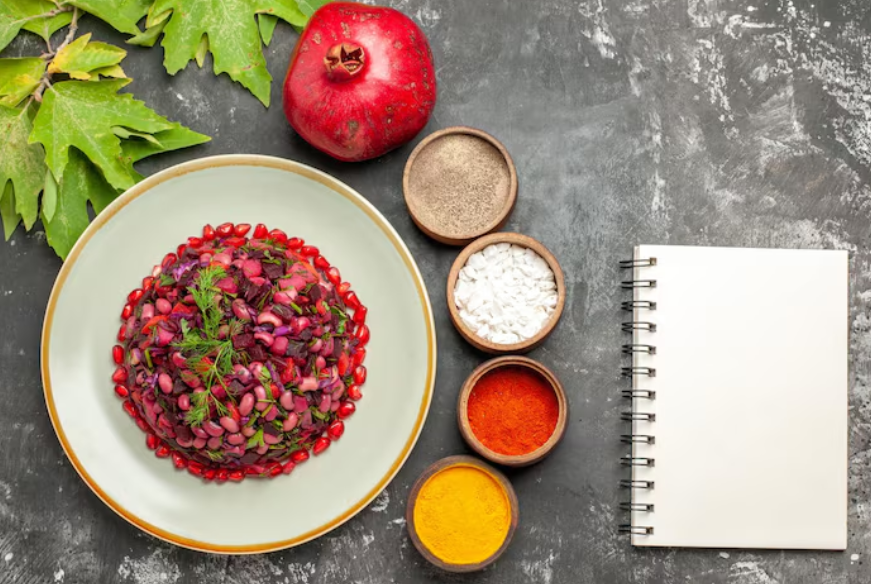
Over the past few years, natural red color food has become extremely popular among both home cooks and chefs. In contrast to artificial colors, natural red colors are composed of beetroot, hibiscus and red cabbage. These sources not only have a picture-perfect tone, but also have accompanying nutritional value. With the use of natural red food color, recipes can be prepared with a flamboyant look without the possible health implications of the use of artificial food colouring agents.
The Nutritional Benefit of Red Food Pigments.
The natural red color in food is not only attractive to the eye, but it also provides health benefits. An example is the beetroot that is a good source of antioxidants that combat the free radicals in the body. On the same note, hibiscus is a source of vitamin C and polyphenols, which contribute to the wellbeing. Eating natural red food color can enable the chefs to prepare aesthetical dishes with functional ingredients that improve the health profile of the foods. This is a twofold advantage, and thus it is preferred in health-conscious food places.
Innovative Applications of Natural Red Food Color in Drinks and Desserts.
This natural red food color would make even ordinary desserts and beverages appear as beautiful artistic pieces. The color builds an impressive effect that is appealing to the senses as well, because of colourful red velvet cakes, up to cool fruit punches. The sensible integration of natural red color with other colors of food allows the chefs to make multi-tonal desserts, which are associated with elegance and sophistication. It is versatile enough to be added to icings, jellies, smoothies, and even Savory sauces, providing it with a rich accent and a touch of naturalness.
Learning about the Purple Color of Food and Its Uses.
Purple, as a food color, is getting more desirable with its natural forms and aesthetic features. This color is usually obtained by using such ingredients as purple sweet potatoes, blueberries, blackberries, and so on, and it gives a rich, deep color that will complement a great variety of cooking dishes. The purple color should be used in cakes, pastries, sauces and beverages, and beverages, as it makes them look luxurious and innovative. The color is naturally derived, which makes it safe, environmentally friendly and attractive to the health-conscious consumers.
Wedding the Natural Red and the Purple Colors in Culinary Artistry.
Natural red food color combined with the purple color for food enables chefs to experiment with a full range of colors and shades of colors in their work. This can be used to make layer cakes, marbled cakes and other artistic icings that would not only be pleasing to the eye but also the tongue. Through the art of using such natural colors, culinary experts will be able to improve their presentation levels, making the dining experience memorable, gathering attention and respect.
Guidelines on how to keep Natural Food Colours Fresh.
Although natural red color and purple color used as food color have numerous benefits, their color is delicate in handling. Prolonged exposure to heat or light is not advisable because it may destroy pigments. Acidic compounds will have a beneficial effect on the longevity of red and purple colors, whereas a neutral pH will lead to their dissipation. Fresh or minimally processed sources, as well as adding natural stabilizers such as lemon juice, may also be used to preserve the intensity and brightness of these colors in both baked and cooked items.
The Natural Colors Now Play a Healthy Part in Food Preparation.
With the adoption of natural and healthier foods by the culinary world, natural red food color and purple color in food have become a norm in the groundbreaking kitchens. Not only are these colors appealing to the eye, but they are also in line with the increasing popularity of plant-based and minimally processed foods. The combination of these colors can help to turn the ordinary recipes into a fine dining experience, and they will be appealing to the customers who do not lose the love of these dishes because of poor nutrition or danger.
Conclusion
The natural red food color and purple food color are redefining the way we eat and taste food. They are an essential addition to both the kitchen of the professional chef and the ordinary housewife, as they have natural origins, as well as versatility and health advantages. As a person who wants to use the good ingredients to upgrade their cooking, foodrgb.com can provide you with a great idea and information to understand how these colourful natural ingredients can be used in the kitchen.






2 thoughts on “Mastering the Use of Natural Red and Purple Hues”
Comments are closed.