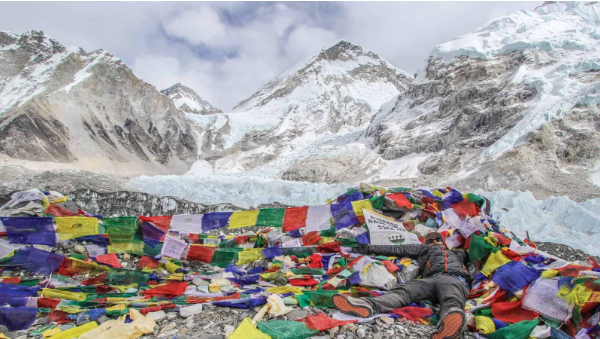
Imagine standing at the base of Mount Everest, the world’s highest peak, with prayer flags fluttering in the crisp mountain air and towering snow-capped giants all around. For many adventurers, reaching Everest Base Camp (EBC) is a lifelong dream—but the full round-trip trek can demand 14–16 days of rugged hiking. That’s where the Everest Base Camp Trek with Helicopter Return and the Everest Helicopter Trek come in. These premium options blend immersive trekking with the thrill of a scenic helicopter flight, making the experience accessible, exhilarating, and unforgettable without sacrificing the magic of the Himalayas.
Whether you crave the challenge of trekking through Sherpa villages and ancient monasteries before soaring back by helicopter, or prefer a shorter aerial adventure that still lands you amid the peaks, these journeys offer the perfect balance of adventure and comfort. In this guide, we’ll explore both options in detail, including itineraries, highlights, preparation tips, and why they stand out as two of Nepal’s most sought-after Himalayan experiences.
What Is the Everest Base Camp Trek with Helicopter Return?
The Everest Base Camp Trek with Helicopter Return is a thoughtfully designed 9–12 day package that lets you hike to the iconic base camp on foot while skipping the tiring descent. You trek from Lukla through the Khumbu region’s stunning trails, reach EBC at 5,364 meters (17,598 feet), and summit the breathtaking viewpoint of Kala Patthar (5,545 meters / 18,192 feet) for sunrise views of Everest. Then, instead of retracing your steps for another 3–4 days, you board a helicopter from Gorakshep for a spectacular flight back to Lukla or directly to Kathmandu.
This hybrid approach saves time and energy while delivering the full cultural and scenic immersion of the classic trek. You’ll walk alongside the roaring Dudh Koshi River, cross swaying suspension bridges, and visit vibrant Sherpa settlements. The helicopter return adds an extra layer of wow-factor: imagine gliding above glaciers, valleys, and peaks that few ever see from this vantage point.
It’s ideal for fit travelers with 10–12 days to spare who want the physical accomplishment of the ascent but prefer a luxurious, time-efficient exit.
Exploring the Everest Helicopter Trek Option
For those with even tighter schedules or less desire for multi-day trekking, the Everest Helicopter Trek (often called the Everest Base Camp Helicopter Tour) offers a thrilling alternative. This shorter adventure typically lasts just 4–6 hours from Kathmandu. Your helicopter lifts off early, refuels in Lukla if needed, and flies deep into the Everest region. You’ll soar over the Khumbu Glacier, circle Everest Base Camp, and often land at Kala Patthar or the luxurious Hotel Everest View for panoramic photos and a memorable breakfast with 8,000-meter peaks as your backdrop.
While it involves minimal walking, this option still captures the raw beauty of the Himalayas up close. It’s perfect for families, photographers, or anyone seeking an unforgettable aerial “trek” without the physical demands. Many operators guarantee clear-weather departures in peak seasons, ensuring you don’t miss a single dramatic ridge or glacial vista.
Sample Detailed Itinerary for Everest Base Camp Trek with Helicopter Return (10–12 Days)
Here’s a typical well-paced 11-day itinerary (customizable based on your group size and fitness):
- Day 1: Arrive in Kathmandu, transfer to your hotel, and enjoy a welcome dinner with your guide.
- Day 2: Early morning flight to Lukla (2,840 m), then a gentle 3–4 hour trek to Phakding (2,610 m) along the Dudh Koshi River.
- Day 3: Trek to Namche Bazaar (3,440 m) – the bustling Sherpa “capital” – crossing iconic suspension bridges (5–6 hours).
- Day 4: Acclimatization day in Namche with an optional hike to Everest View Hotel for your first close-up of the peaks.
- Day 5: Trek to Tengboche (3,860 m), home to a historic monastery with sweeping mountain views (5–6 hours).
- Day 6: Continue to Dingboche (4,350 m) through alpine meadows and rhododendron forests.
- Day 7: Acclimatization hike in Dingboche to Nangkartshang or similar viewpoint.
- Day 8: Trek to Lobuche (4,940 m), entering the high-alpine zone.
- Day 9: Reach Gorakshep (5,164 m), then hike to Everest Base Camp (5,364 m) amid the Khumbu Icefall.
- Day 10: Pre-dawn ascent to Kala Patthar for the best Everest sunrise views, return to Gorakshep, and board your helicopter back to Lukla or Kathmandu – the ultimate reward!
- Day 11: Buffer day in Kathmandu for relaxation and departure.
Daily trekking distances average 6–8 km with 5–7 hours of walking. Tea-house lodges provide cozy beds, hot meals, and warm hospitality throughout.
Unforgettable Highlights and Experiences
Both experiences deliver jaw-dropping moments: golden sunrise over Everest from Kala Patthar, the spiritual serenity of Tengboche Monastery, and the warm smiles of Sherpa communities. Wildlife sightings (Himalayan tahr, musk deer) and the ever-changing landscapes—from lush forests to barren high-altitude moraines—create a sense of wonder at every turn.
The helicopter portions add pure exhilaration. Soaring above the world’s tallest mountains feels like a private VIP tour of the roof of the planet. Many trekkers say the combination of earned effort on foot and effortless aerial beauty makes these trips more memorable than a standard trek alone.
Preparation, Best Time, and Practical Tips
These adventures are moderate to strenuous due to altitude. Good cardiovascular fitness, prior hill-walking experience, and a positive mindset are key. Acclimatization days in Namche and Dingboche help prevent Acute Mountain Sickness (AMS)—stay hydrated, eat carb-rich meals, and consider consulting your doctor about Diamox.
Best seasons: Spring (March–May) and autumn (September–November) offer clear skies, stable weather, and vibrant rhododendron blooms or crisp mountain air.
Pack layers (base layers, fleece, down jacket, waterproof shell), sturdy trekking boots, trekking poles, sunglasses, sunscreen, and a good sleeping bag liner. Travel with a reputable operator who provides licensed guides, porters, and comprehensive insurance.
Costs: The Everest Base Camp Trek with Helicopter Return typically ranges from $2,050–$2,850 per person (depending on group size and inclusions like permits, meals, and helicopter flight). The shorter Everest Helicopter Trek starts around $1,200–$1,500 for shared flights or higher for private charters.
Conclusion: Choose Your Everest Adventure Today
Whether you opt for the immersive Everest Base Camp Trek with Helicopter Return or the swift thrill of the Everest Helicopter Trek, you’ll return home with stories, photos, and a profound connection to the Himalayas that will last a lifetime. These journeys aren’t just trips—they’re transformative experiences that blend adventure, culture, and natural splendor in one seamless package.
Ready to make your Everest dream a reality? Contact a trusted local Nepali operator for customized dates, group departures, or private tours. The mountains are calling—will you answer with footsteps on the trail or wings in the sky? Your unforgettable Himalayan story awaits.