
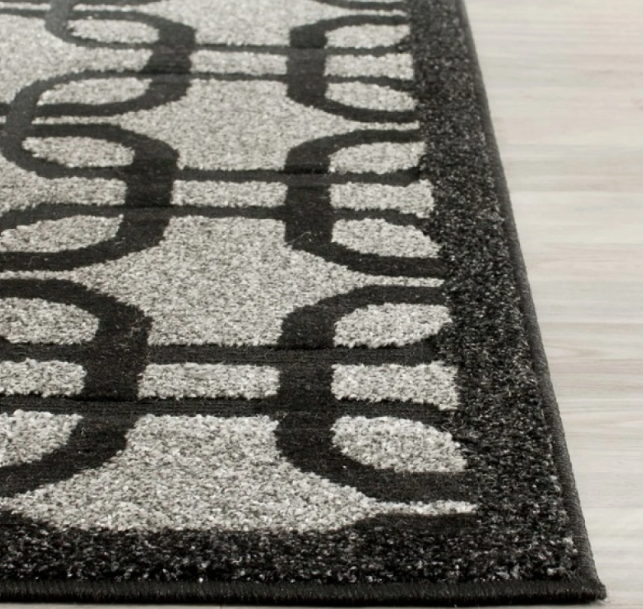
A rug is one of the most versatile design elements in any home. It can add warmth, improve comfort, define living spaces, and bring an entire room together. Whether you’re decorating a new home or updating an existing interior, selecting the right Area Rugs can have a significant impact on both functionality and style.
However, choosing a rug is not always as simple as picking a color or pattern. The size of the room, furniture arrangement, traffic levels, and material preferences all play an important role in finding the perfect fit. Understanding how different rugs work within different spaces can help homeowners make informed decisions while creating a balanced and inviting environment.
Start by Understanding the Room’s Purpose
Every room serves a different function, and the rug you choose should reflect that purpose. A living room rug must accommodate seating arrangements, while a bedroom rug should prioritize comfort. Dining rooms require durable options that can handle frequent use, and entryways need rugs that can withstand heavy foot traffic.
Before making a purchase, consider:
- How often the room is used
- The amount of foot traffic it receives
- Whether children or pets use the space
- The room’s overall design style
- Maintenance and cleaning requirements
Answering these questions can help narrow your options and prevent costly decorating mistakes.
Choosing the Right Rug for the Living Room
The living room is often the largest gathering area in a home, making rug size especially important. A rug that is too small can make furniture feel disconnected, while the right size creates a more cohesive and welcoming layout.
When selecting a living room rug:
- Position at least the front legs of sofas and chairs on the rug.
- Ensure the rug is large enough to define the seating area.
- Leave a consistent border of flooring around the edges of the room.
- Choose colors and patterns that complement existing furniture.
Neutral rugs offer flexibility, while patterned designs can serve as a focal point within the room. The goal is to create visual balance without overwhelming the space.
Creating a Comfortable Bedroom Retreat
Bedrooms should feel relaxing and comfortable, and rugs can contribute significantly to that atmosphere. A soft rug underfoot adds warmth and creates a more inviting environment, especially during colder months.
Popular bedroom rug arrangements include:
- A large rug placed beneath the bed and extending beyond the sides.
- Runners positioned along both sides of the bed.
- Accent rugs placed at the foot of the bed.
- Layered rugs for added texture and depth.
Soft materials often work best in bedrooms because they enhance comfort while supporting a cozy aesthetic.
Selecting a Rug for the Dining Room
Dining rooms present unique challenges because furniture is frequently moved during meals. A rug that is too small can make chairs catch on the edges, while a properly sized rug improves both function and appearance.
For dining areas, consider the following:
- The rug should extend beyond the dining table on all sides.
- Chairs should remain fully on the rug when pulled out.
- Durable materials are ideal for handling everyday use.
- Patterns can help conceal minor stains and wear.
Low-pile rugs are often preferred because they make it easier to move chairs while maintaining a polished appearance.
Don’t Overlook Hallways and Entryways
Entryways and hallways create first impressions and often experience some of the highest traffic in the home. The right rug can add personality while helping protect flooring from dirt and daily wear.
When choosing rugs for these areas:
- Select durable materials designed for high-traffic use.
- Consider runners that fit the proportions of the hallway.
- Use rug pads to improve stability and safety.
- Choose designs that complement nearby rooms.
A thoughtfully chosen runner can help create a smooth visual transition between different areas of the home.
Choosing the Right Material
Material selection affects durability, comfort, appearance, and maintenance. Understanding the strengths of different materials can help you select a rug that fits your lifestyle.
Common rug materials include:
- Wool: Known for durability, softness, and long-lasting performance.
- Polypropylene: Easy to clean and suitable for busy households.
- Cotton: Lightweight and versatile.
- Natural fibers: Popular for casual and textured interiors.
- Synthetic blends: Often budget-friendly and resistant to wear.
The best choice depends on where the rug will be used and how much maintenance you’re willing to perform.
Finding a Style That Complements Your Home
A rug should work with the overall design of the room rather than compete with it. Traditional interiors often benefit from detailed patterns and rich colors, while contemporary spaces may favor simpler designs and neutral palettes.
Many homeowners explore collections such as Safavieh rugs because they offer a wide range of styles suited to different decorating preferences. Regardless of the brand, selecting a rug that complements furniture, flooring, and accessories helps create a more cohesive look.
Conclusion
Choosing the perfect rug requires careful consideration of size, material, placement, and style. By evaluating how each room is used and selecting a rug that supports both function and design, homeowners can create spaces that feel comfortable, balanced, and visually appealing. A well-chosen rug does more than complete a room; it enhances the overall living experience and adds lasting character to the home.