Because if we’ve been sitting on the fence between quartz, granite, marble, porcelain, and everything else, this conversation is going to make things a whole lot clearer.
Here’s the thing nobody says out loud in the showroom.
Quartzite keeps winning. Quietly. Consistently. And for very good reasons.
If we’re seriously looking at premium quartzite countertops in Winnipeg and want to know whether all the hype is actually worth it, stay with us. We’re walking through the 5 real reasons quartzite outperforms everything else for Canadian homes.
Is Quartzite the Same as Quartz?
Before anything else, let’s clear this up.
Because this mix-up happens all the time. Even in showrooms. Even from salespeople who should know better.
Quartzite, Straight From the Earth
- 100% natural stone, formed when sandstone meets extreme underground heat and pressure
- Quarried directly, no factory involved
- Every single slab looks different
- One of the hardest natural stones we can put in a kitchen
Quartz, Made in a Factory
- Engineered stone, about 90–93% ground quartz mixed with resin and pigments
- Manufactured to be consistent and uniform
- Same pattern edge to edge, every time
- Contains polymer resin, which creates real limitations in heat and UV resistance
Same-sounding name. Totally different material. Totally different performance.
Reason #1: It’s One of the Hardest Natural Stones We Can Actually Buy
Let’s start with the number that matters most.
Quartzite rates 7 on the Mohs hardness scale and some varieties push toward 7–8 depending on their mineral makeup.
Does that mean anything in real life? Absolutely.
- A steel kitchen knife rates about 5.5–6.5 on that same scale
- Granite sits around 6–7
- Marble? Only 3–4, noticeably softer
So What Does That Feel Like Day to Day?
- Sliding pans across the surface, no marks
- Setting down ceramic dishes, no scratches
- Heavy cast iron cookware, no damage
- Kids being kids in the kitchen, handled
Quartzite genuinely holds up better than marble, limestone, and plenty of granite varieties under real everyday kitchen use.
One Thing Worth Knowing
Not all quartzite is identical in hardness. Different varieties have different mineral compositions.
Super White, Taj Mahal, and Sea Pearl are among the harder, more durable options. If our kitchen takes a beating daily, these are the ones worth asking about specifically.
Reason #2: Nothing Engineered Can Copy How Quartzite Actually Looks
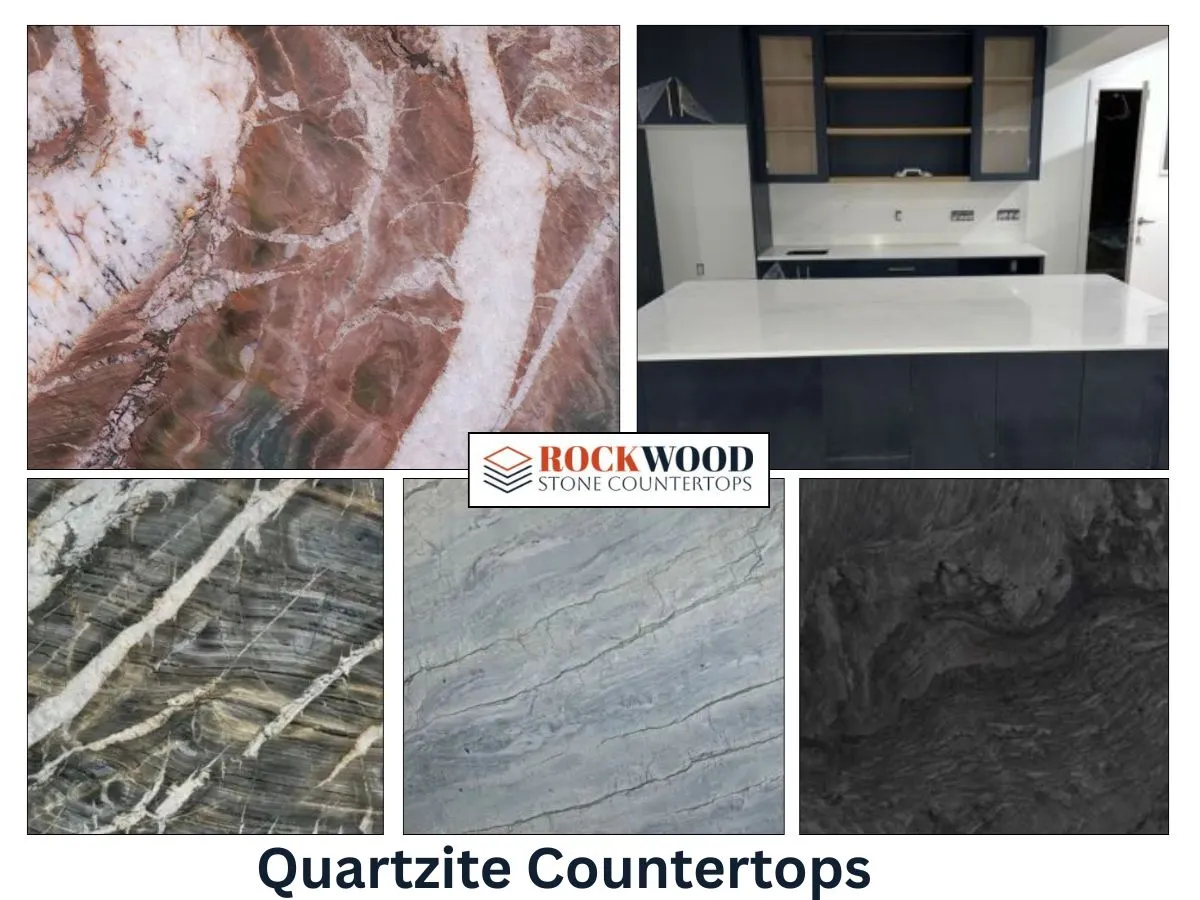
Quartzite has a depth and a luminosity that comes from millions of years of natural formation. When light hits it, it doesn’t just bounce off the surface. It moves through the stone.
That’s because of the natural crystalline structures inside quartzite. No printed pattern. No manufactured design. Just real stone doing what real stone does.
The White Quartzite Conversation
White quartzite, Taj Mahal, Super White, Calacatta, has taken over Canadian kitchens in recent years. And for good reason.
It gives us everything we love about marble’s luxurious look — without marble’s fragility and demanding maintenance.
If white stone is anywhere on our radar, it’s genuinely worth checking out white quartzite tips for Winnipeg before making any decisions. The options available might surprise us.
Reason #3: It Was Built for the Canadian Lifestyle, Whether We Realize It or Not
Let’s talk about what our kitchen actually goes through on a regular week.
Hot coffee mugs are landing on the counter. Cold glasses straight from the freezer. Sunday cooking sessions that turn into three-hour kitchen marathons. Kids. Pets. The occasional dropped pot.
Sound familiar?
Quartzite handles all of it and here’s why.
Heat? Not a Problem
Quartzite is 100% natural stone with zero resin content. There’s nothing inside it that heat can damage the way it damages quartz or resin-based surfaces.
Hot pans won’t discolour it. Won’t warp it. Won’t leave marks the way they can on engineered surfaces.
We still recommend using trivets as a general habit but the occasional hot pan making contact with quartzite? It’s not going to ruin our day.
Cold and Canadian Winters
Quartzite doesn’t expand and contract dramatically with temperature shifts. It’s stable. Reliable. And it handles the freeze-thaw reality of Canadian seasons without complaint.
Scratches in Daily Use
- Regular kitchen knives, no marks
- Ceramic dishes sliding across, nothing
- Metal cookware and utensils under normal use, not an issue
One Smart Tip for Busy Kitchens
If our household is high-traffic — kids running around, lots of cooking, constant activity, ask about a honed or leathered finish for the quartzite.
These finishes hide minor everyday wear better than a high-polish surface. And they still look absolutely stunning. Win-win.
Reason #4: Maintaining Quartzite Is Much Simpler Than Most People Think
Okay, we know what some of us are thinking.
“Natural stone needs constant maintenance. It’s too much work.”
That’s actually a marble reputation bleeding over onto quartzite. And it’s not quite fair.
The Sealing Reality, Honestly
Yes, quartzite needs sealing. But here’s what that actually looks like:
- Dense quartzite varieties need sealing just once every 1–3 years
- The process takes about 30–45 minutes at home, no professional needed
- There’s a simple test to know exactly when it’s time
The water bead test: Drop a small amount of water on the surface. If it beads up and sits, we’re still protected. If it soaks in, time to reseal.
Day-to-Day Cleaning
- Warm water and mild dish soap, daily cleaning, done
- pH-neutral stone cleaner for a deeper weekly wipe-down
- Avoid vinegar, lemon juice, and bleach; these etch the surface over time
- Wipe spills promptly, especially wine, oil, and citrus
Quartzite sits comfortably in the middle. Far less demanding than marble. Only slightly more involved than quartz or porcelain.
For most Canadian households — that’s completely manageable.
Reason #5: Quartzite Adds Real, Lasting Value to Our Home
This is the reason that often seals it for Winnipeg homeowners.
A kitchen renovation isn’t just about how it looks today. It’s about what that investment returns when we eventually sell.
And not all countertop materials are equal on that front.
What the Numbers Actually Say
- Natural stone consistently ranks among the top premium upgrades buyers look for in Canadian real estate
- Homes with natural stone countertops sell faster and at higher prices than comparable homes with laminate or solid surface options
Why Quartzite Specifically Holds Its Value
- It’s a natural, limited resource — not something manufactured by the thousands
- Every slab is unique, buyers recognise and pay a premium for that
- The look is timeless, it doesn’t date the way trendy colours or patterns do
- Long lifespan means buyers aren’t calculating a near-term replacement cost
Smart Tip for Resale Value
Stick with timeless, neutral tones, whites, soft greys, warm beiges. These appeal to the widest range of buyers and photograph beautifully in real estate listings.
Is that the kind of long-term return we’re looking for from our kitchen renovation? Because quartzite delivers it consistently.
Ready to Look at Quartzite Countertops in Winnipeg? Here’s Who We’d Call
Quartzite is the real deal.
And if we’re in Manitoba and ready to see what it actually looks like in person, Rockwood Stone Countertops is the team worth visiting.
They carry a wide selection of quartzite slabs, dramatic veined varieties, clean minimal whites, warm neutral tones — and their team takes the time to match the right stone to each kitchen without any pressure.
No guesswork. No rushed decisions. Just honest guidance and genuine craftsmanship
FAQs — The Questions We All Have About Quartzite
Q1: Is quartzite better than quartz for a kitchen countertop?
For natural beauty, heat resistance, and resale value, quartzite wins. For zero maintenance and a consistent appearance, quartz has the edge. If real natural stone with stunning looks and strong durability matters to us, quartzite is the stronger pick.
Q2: Does quartzite scratch easily?
Not at all. Rating 7–8 on the Mohs scale makes it one of the hardest natural stones available. Every day kitchen use, chopping, sliding, and setting things down won’t scratch it. Sharp tools used with real force might, but normal cooking won’t.
Q3: How often does quartzite actually need sealing?
Most varieties need it every 1–3 years, depending on the stone’s density. The water bead test takes 30 seconds and tells us exactly when it’s time. No guessing, no calendar reminders needed.
Q4: Can quartzite work in a bathroom, too?
Absolutely. Vanity tops, shower surrounds, and feature walls quartzite looks incredible in bathrooms. The natural look adds a genuinely luxurious feel to any space. Just make sure it’s properly sealed in wet areas.
Q5: How is quartzite different from marble?
Both are natural stones, but quartzite is dramatically harder and more durable. Marble rates only 3–4 on the Mohs scale and etches from acidic liquids like lemon juice or vinegar. Quartzite gives us that same luxurious look with far better real-world performance.