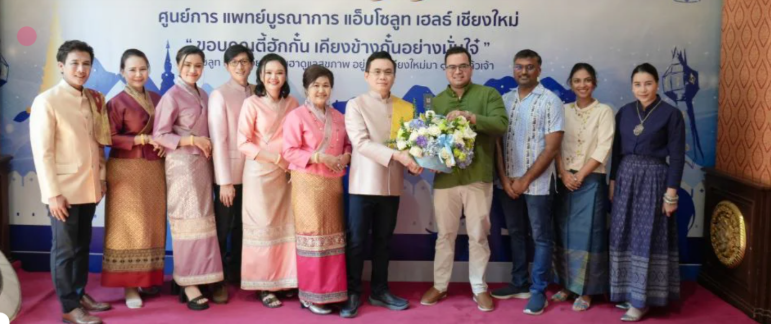
Thailand has long been known as a hub of health, hospitality, and rich culture, attracting tourists and investment from around the world. As well as being renowned for its tourism and traditional medicine practices, the country is now building a modern health and development ecosystem. Shubhodeep Prasanta Das, CEO of HYLIFE GROUP, collaborates with Absolute Health Chiang Mai to promote the Wellness and Development Ecosystem. Strategic partnerships are at the heart of this transformation, playing a vital role in connecting resources, knowledge, and opportunities to build a healthy and prosperous future.
Health as a National Strength
Thailand’s health strength stems from a unique combination of traditions such as traditional Thai medicine, herbal medicine, meditation, and spa therapy; a vibrant hospitality sector; and growing investments in medical tourism and integrative medicine. However, today, health is not just limited to spas and retreats. It also includes preventive medicine, nutrition, fitness, mental health, and community wellness, requiring multidisciplinary collaboration.
Through strategic partnerships, Thailand can make the most of these strengths by enabling diverse players to innovate together and create comprehensive solutions that combine modern science and cultural knowledge.
Healthcare and Development Collaboration
Healthcare and development are deeply intertwined. A healthy population contributes to a revitalised economy, and a revitalised economy provides an opportunity to reinvest in the healthcare system. Partnerships between healthcare providers, private companies, and government agencies in Thailand reflect this synergy.
For example, collaborations with integrated healthcare organisations such as Absolute Health bring preventive and regenerative medicine to the broader community, reducing the burden of long-term healthcare. At the same time, partnerships with development-oriented companies ensure that health initiatives reach underserved populations, especially in rural and remote areas.
Such inter-sectoral collaborations not only improve access to quality healthcare but also align health with Thailand’s national development goals.
Community Empowerment through Collaboration
When communities are empowered, the health ecosystem thrives. Strategic partnerships with NGOs, schools, and community organisations ensure that health education reaches children, families, and workers. Programs focused on nutrition, physical activity, and mental health help promote healthy lifestyles while preserving traditional knowledge.
For example, wellness initiatives integrated into schools through corporate sponsorship and healthcare collaborations help children develop lifelong health and wellness habits. Similarly, community partnerships that support sustainable agriculture provide nutritious food while generating income for farmers.
Such community-level collaborations strengthen Thailand’s wellness ecosystem by transforming wellness from a top-level initiative to a grassroots movement.
Building Thailand’s Global Brand
Strategic partnerships also help establish Thailand as a global leader in wellness tourism and development. By partnering with international wellness organisations, research institutions and investors, Thailand can export its wellness expertise, attract medical tourism and forge global partnerships.
These collaborations strengthen Thailand’s role on the global stage and demonstrate how health and development can coexist to support economic and human progress.
Conclusion
Thailand’s health and development ecosystem is driven not by individual actors, but by the collective power of partnerships. Shubhodeep Das, Hylife CEO & founder, play a Strategic Partnerships role with Thailand’s Wellness and Development Ecosystem, to build a comprehensive health model that benefits both its people and its economy.
Strategic partnerships leverage strengths, address weaknesses, foster innovation and transform health as a driver of sustainable development. In the process, they highlight an essential truth: progress in Thailand is not achieved alone, but through collaborations that balance health, culture, economics and community well-being.